
A Platform in Transformation: Where WordPress Is Headed Next
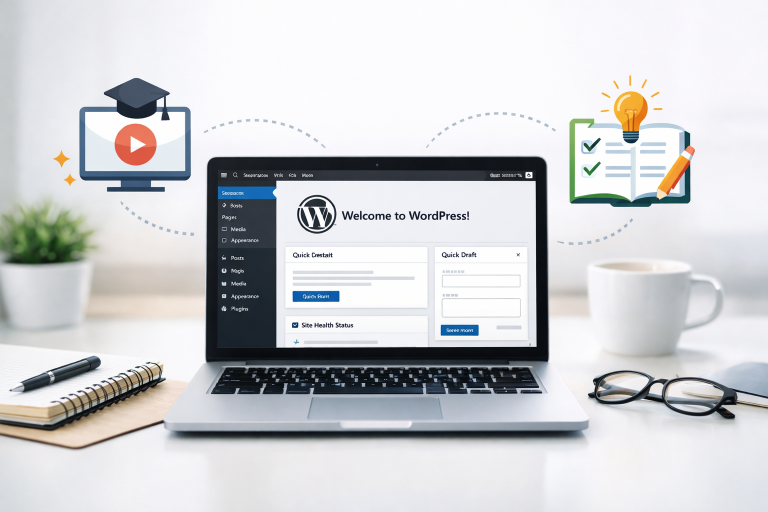
Five years ago, WordPress was already the dominant content management system. Yet, few could have predicted how quickly it would evolve beyond simple blogging roots. Today, it’s not just a publishing tool—it’s a full-fledged platform powering 43% of the web. But what happens next?
As digital expectations grow and web technologies mature, WordPress is adapting faster than ever. From Full Site Editing to AI design assistants and performance-oriented upgrades, the next five years promise a smarter, faster, and more intuitive WordPress experience. Let’s examine the core developments that will shape the platform’s future—and what they’ll mean for you.
1. Full Site Editing Becomes the New Standard
Full Site Editing (FSE), introduced in WordPress 5.9, marked a major shift. No longer confined to posts and pages, users can now customize every part of their site—from headers to footers—using blocks.
Why It Matters:
- Unified Design Control: Manage global styles and templates without touching code.
- Theme Flexibility: Block-based themes allow for faster prototyping and style changes.
- Developer Efficiency: Create reusable patterns and templates that streamline site development.
What’s Next:
Expect FSE to become the default experience. Traditional themes will fade, replaced entirely by block-based structures. Developers will focus more on pattern libraries and less on PHP-based templates.
2. AI-Powered Design and Content Creation
Artificial Intelligence is already making waves in web design, and WordPress is no exception. Tools like Jetpack AI Assistant and third-party plugins are bringing smart content suggestions, layout automation, and SEO optimization directly into the editor.
Key Benefits:
- Faster Content Generation: AI can suggest headlines, write intros, or even generate blog posts.
- Smart Layout Recommendations: AI-based design plugins can recommend visual layouts based on content type.
- Enhanced Accessibility: Automatically check for readability, contrast, and alt-text compliance.
Looking Ahead:
In the next five years, AI will likely be baked into the Gutenberg editor itself. Expect smarter blocks that adjust to user behavior, AI-written copy that aligns with brand tone, and tools that optimize content in real time.
3. Performance Takes Center Stage
Google’s Core Web Vitals and user expectations are pushing site speed and performance to the forefront. WordPress is responding with native improvements and plugin support designed to keep up with fast-loading demands.
Current Tools and Trends:
- Built-in Lazy Loading: Images and iframes load only when necessary.
- Improved Caching Support: Plugins like WP Super Cache and native object caching in core.
- Async Scripts: Core enhancements now allow for more efficient script loading.
What to Expect:
WordPress will likely include more performance-first features by default. Expect smarter asset loading, image optimization at upload, and native CDN integration—all without the need for third-party tools.
4. Headless WordPress Goes Mainstream
Decoupling the front and back end of a website allows developers to use WordPress as a content engine, while building front ends with modern JavaScript frameworks like React or Vue.
Why Developers Love It:
- Faster Front Ends: Lightweight, custom-built interfaces improve user experience.
- Omnichannel Content Delivery: Push content across web, apps, and even smart devices.
The Next Phase:
The REST API and WPGraphQL will continue to evolve, making WordPress a more flexible headless CMS. Expect easier integrations with frontend frameworks and broader adoption among enterprise sites.
5. Greater Emphasis on Accessibility and Inclusivity
As digital equity becomes more important, WordPress is working to become a leader in accessible web design. The core team is committed to WCAG (Web Content Accessibility Guidelines) compliance, and block-based design makes it easier to maintain standards.
Looking Forward:
Expect stronger accessibility testing tools integrated into the site editor, along with automated suggestions to improve user experience for all visitors.
6. Enhanced Site Security Built into Core
Cybersecurity threats are evolving, and WordPress is taking a proactive stance.
Anticipated Improvements:
- Auto-Updates for Critical Plugins: Already in place, but likely to expand.
- Two-Factor Authentication (2FA): May become a core feature instead of relying on plugins.
- Improved User Role Management: Granular permissions for multisite and complex installations.
Final Thoughts: Ready for the Next Generation of WordPress?
The next five years of WordPress will be defined by smarter interfaces, faster performance, and a broader set of tools that cater to both novice users and seasoned developers. Whether you run a personal blog or manage an enterprise-level website, staying informed about these changes will help you stay ahead of the curve.
Further Reading & Resources
Official development roadmap with upcoming features and release details.
Stay up to date with the latest Full Site Editing capabilities.
Learn how Jetpack’s AI tools can help streamline content creation.
Understand the key performance metrics impacting SEO and user experience.
Resources for developers building headless WordPress applications.